
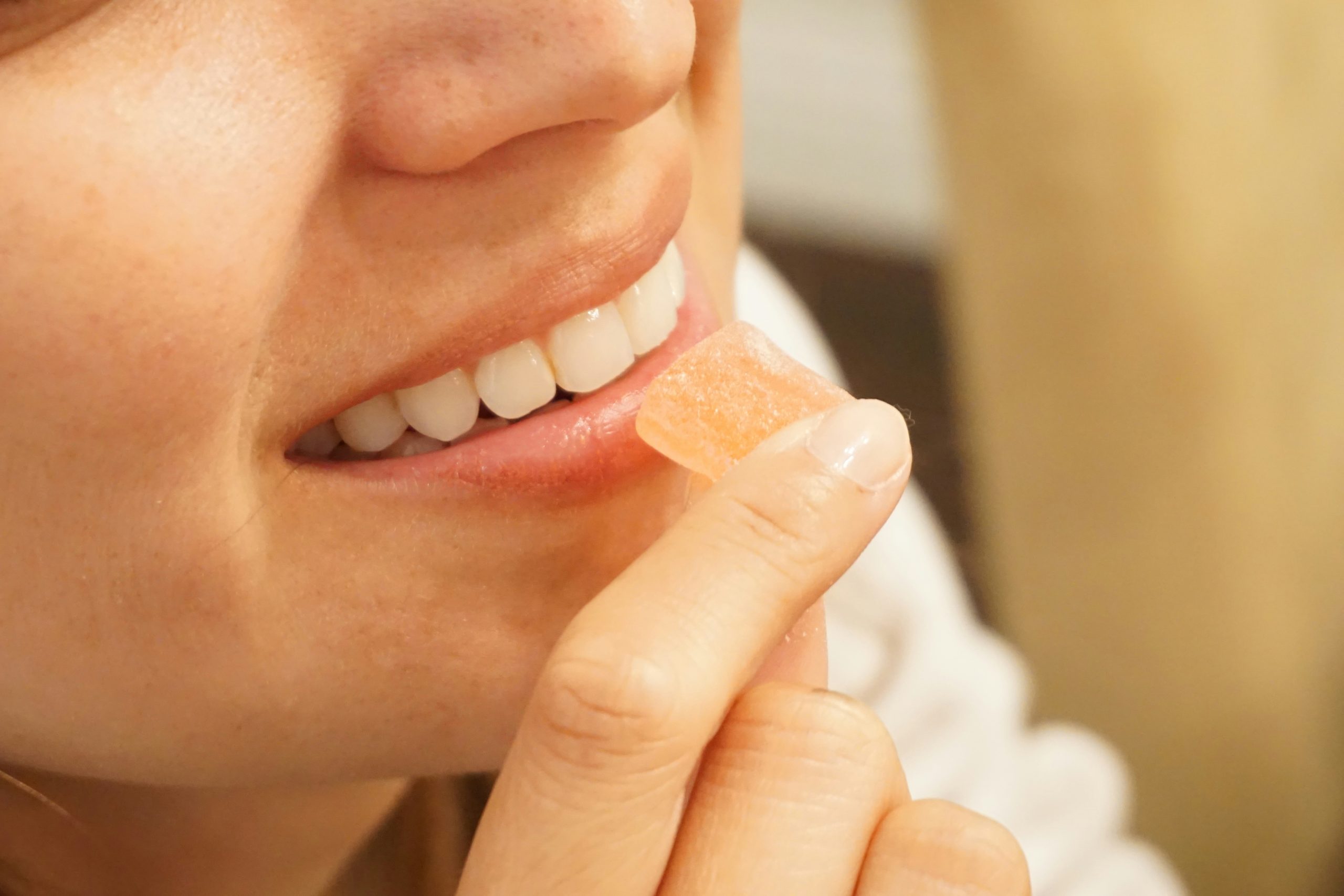
For decades, the rhythm of American office life has been set by the coffee machine. The morning cup to start, the mid-afternoon refill to survive. But among a growing cohort of young professionals — particularly those steeped in wellness culture and skeptical of anything that disrupts their sleep — the 2 p.m. coffee run is quietly being replaced by something unexpected: a chewable supplement long associated with weight rooms rather than workstations.
Creatine, the most extensively studied performance supplement in sports science, has migrated from the gym bag to the desk drawer. And it is arriving in a distinctly office-friendly format — the gummy.
A Generational Rethink of Caffeine
The shift begins with a broader reassessment of caffeine itself. Younger workers came of age alongside sleep-tracking wearables, and many have watched in real time as an afternoon espresso fragments their deep sleep hours later. Caffeine’s half-life of roughly five to six hours means a 3 p.m. coffee can still be circulating at bedtime, and a generation fluent in sleep-score dashboards has taken notice.
Add to that the familiar drawbacks — the jitters before a presentation, the energy crash at 5 p.m., the creeping tolerance that turns one cup into three — and the appetite for alternatives becomes easy to understand. The wellness industry has responded with an entire category of “coffee alternatives,” from mushroom lattes to adaptogen blends. Creatine’s entry into that conversation, however, is different in one important respect: it arrives with an unusually deep body of peer-reviewed research behind it.
What Creatine Actually Does — and What It Doesn’t
It is worth being precise here, because the science matters. Creatine is not a stimulant. It does not deliver the acute jolt of a double shot, and anyone chewing a gummy at 2 p.m. expecting an espresso-like surge will be disappointed. Its mechanism is slower and, arguably, more fundamental.
Creatine increases the body’s stores of phosphocreatine, a compound cells use to rapidly regenerate adenosine triphosphate — ATP, the universal energy currency of the body. Muscles burn through ATP during a heavy lift, which explains creatine’s athletic reputation. But the brain is also a voracious energy consumer, accounting for roughly a fifth of the body’s energy use, and researchers have spent the past two decades examining whether topping up its energy reserves affects how it performs.
The findings, while still an active area of study, are intriguing. Research has suggested creatine supplementation may support aspects of memory and cognitive processing, with the most consistent effects appearing when the brain is under strain — during sleep deprivation, mental fatigue, or demanding cognitive tasks. In other words, precisely the conditions of a long workday. Rather than spiking alertness for ninety minutes, consistent creatine supplementation aims to support the brain’s baseline energy infrastructure.
For the professionals adopting it, that distinction is the point. They describe the choice not as swapping one buzz for another, but as trading a borrowed-energy model — caffeine’s temporary suppression of tiredness signals — for what they see as a longer-term investment in cognitive steadiness.
Why the Gummy Format Won the Office
Creatine has been available as a powder since the early 1990s, so the compound itself is not new. What changed is the delivery. A tub of white powder and a shaker bottle make sense in a gym; they make considerably less sense in an open-plan office or a video call. Gummies solved the context problem.
There is no mixing, no water, no residue, and no explanation owed to curious colleagues — a gummy at a desk is unremarkable in a way a shaker bottle is not. Because creatine works through daily saturation rather than acute timing, the format also solves the compliance problem that has always dogged powder users: the dose that gets skipped because the tub is at home. A bottle of gummies in a desk drawer or laptop bag makes the daily habit nearly frictionless.
The market has moved quickly to meet the moment. A wave of direct-to-consumer brands now formulates creatine specifically for this new demographic. Some, such as QUOR, have built their gummies around creatine hydrochloride, a highly soluble form of the compound that allows for concentrated doses in smaller servings and is often described as gentler on the stomach than traditional monohydrate — a practical consideration for someone taking it with a light lunch rather than a post-workout meal.
The Ritual Still Matters
Sociologists of workplace behavior have long noted that the afternoon coffee is only partly about caffeine. It is a break, a walk, a moment of punctuation in the day. The professionals adopting creatine gummies have not abandoned that ritual so much as renovated it. Many pair the gummy with the same walk they once took to the café, or with a glass of water and ten minutes away from the screen — capturing the restorative pause without the 9 p.m. consequences.
Others take a hybrid approach: keeping the morning coffee they genuinely enjoy while cutting the afternoon cup they drank out of habit, and letting a daily creatine routine carry the cognitive-support role. Nutrition professionals tend to view this moderation-first framing favorably, noting that the goal for most people is not eliminating caffeine but preventing it from compounding into poor sleep and next-day fatigue — the very cycle that made the afternoon cup feel necessary in the first place.
Sensible Caveats
None of this makes creatine a miracle compound, and the responsible voices in the industry are careful to say so. Cognitive research on creatine, while promising, is younger and less settled than the strength-and-performance literature. Effects are gradual, individual responses vary, and a gummy cannot substitute for the fundamentals it is often taken alongside: adequate sleep, hydration, movement, and reasonable working hours.
Consumers are also advised to read labels closely. Gummy formulations vary widely in creatine content and added sugar, and experts recommend choosing brands that disclose exact dosing per serving and verify their products through third-party testing. Anyone with kidney conditions or other health concerns should consult a physician before beginning supplementation — standard guidance for any addition to a daily regimen.
A Small Swap, a Larger Signal
Whether creatine gummies permanently claim the 2 p.m. slot remains to be seen; wellness trends are famously fickle. But the swap reflects something durable about how younger professionals now approach energy at work. They are less interested in borrowing alertness from their evenings and more interested in supporting the machinery underneath — and they want the science to hold up when they look. For a generation that reads the studies before it reads the marketing, a thirty-year research pedigree may prove to be creatine’s most persuasive credential of all.






Be First to Comment