

Photo Courtesy: Unsplash
Many individuals struggle with a myriad of symptoms that seem to defy explanation. These can range from dry skin, weight gain, fatigue, and muscle aches to brain fog, joint pain, and sleep problems. Despite numerous attempts to address these issues through diet, exercise, supplements, and lifestyle changes, the symptoms often persist. The frustration is palpable, especially when blood tests return normal results. This article delves into a pervasive but often misunderstood wellness issue: thyroid dysfunction, commonly referred to as the “Thyroid Hoax.”
The Mystery of Normal Blood Levels and Persistent Symptoms
The thyroid gland plays a crucial role in regulating metabolism and overall well-being. It produces hormones that influence every cell in the body. However, thyroid dysfunction can manifest in ways that standard blood tests do not always detect. This discrepancy is at the heart of the Thyroid Hoax.
Hormone Receptor Blockage
Hormones exert their effects by binding to specific receptors on cells. The active thyroid hormone, triiodothyronine (T3), must connect to these receptors to transmit its message and regulate cellular functions. If something obstructs this receptor, the hormone cannot exert its effect, irrespective of the hormone levels in the blood. This condition is known as hormone resistance.
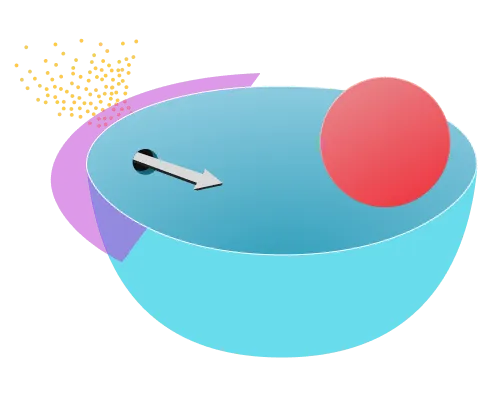
Photo Courtesy: Pompa Program
Even if blood levels of thyroid hormones (or other hormones such as estrogen, testosterone, and insulin) appear normal, the symptoms persist because the cells are not receiving the hormone’s signal. This scenario explains why many individuals with normal thyroid hormone levels continue to experience symptoms of hypothyroidism.
Inactive Hormones and Conversion Issues
Another significant issue in thyroid wellness is the conversion of inactive hormones to their active forms. Thyroxine (T4) is the primary hormone the thyroid gland produces but is inactive. It must be converted to the active hormone T3 to be effective. This conversion predominantly occurs in the liver, gut, and kidneys.
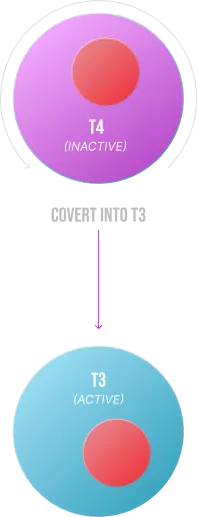
Photo Courtesy: Pompa Program
If this conversion process is impaired, T4 remains inactive, and the body cannot utilize it effectively. Consequently, even though T4 levels may appear normal in blood tests, the lack of conversion to T3 results in persistent symptoms. This problem highlights the limitations of standard thyroid treatments that rely solely on administering T4.
The Role of the Pituitary Gland
The pituitary gland, located in the brain, acts as the control center for the thyroid and other hormone-producing glands. It regulates the production and release of thyroid hormones. If there is a dysfunction at this level, it can affect the entire hormonal axis, leading to widespread symptoms.
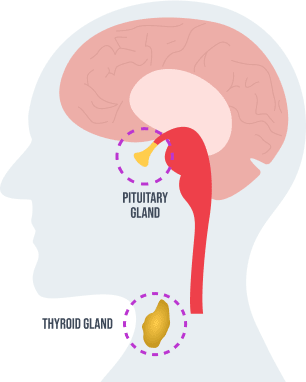
Photo Courtesy: Pompa Program
An individual might spend years addressing thyroid issues without improvement if the underlying problem lies in the pituitary gland. This gland’s dysfunction can present with symptoms similar to thyroid disease, such as fatigue, anxiety, insomnia, and even panic attacks.
The Global Impact of Thyroid Dysfunction
Thyroid dysfunction is a global issue with significant implications for public health. In the United States alone, approximately 20 million people suffer from thyroid conditions, with half of these cases undiagnosed. Women are disproportionately affected, with up to 90% of women over 40 experiencing subclinical hypothyroidism, a condition where symptoms are present despite normal blood test results.
According to the American Association of Clinical Endocrinologists, the prevalence of thyroid dysfunction is staggering. Renowned thyroid specialist Dr. Broada Barnes estimates that up to 90% of American men and women are affected. Furthermore, 80% of thyroid conditions occur in women, with hypothyroidism and autoimmune thyroid disease being particularly common.
The Broader Well-being Implications
Thyroid disease does not exist in isolation. It predisposes individuals to a host of other wellness issues, including degenerative diseases, obesity, and conditions associated with weight gain. It also plays a significant role in mental well-being, with the National Thyroid Institute attributing up to 50% of depression cases to undiagnosed thyroid conditions.
Hormone-related problems, particularly those associated with perimenopause and menopause, are also frequently linked to thyroid dysfunction. Symptoms such as hot flashes, low energy, cold intolerance, and brittle nails are common among those suffering from thyroid issues.
Feeling Unwell Even With Normal Blood Tests? There’s Hope!
If you’re experiencing ongoing symptoms despite normal blood work, there might be more to the story. Standard tests often miss the root cause.
This is where a more comprehensive approach comes in:
Cellular Inflammation Test Kit: Uncover hidden inflammation that could be impacting your wellness.
Comprehensive Cellular Health Analysis: Gain a deeper understanding of your overall cellular well-being.
Neurotoxicity Assessment: Explore if toxins are playing a role in your issues.
By addressing these factors, we can potentially restore proper thyroid function and bring relief from chronic symptoms. This holistic approach focuses on cellular well-being, the foundation for true recovery.

Photo courtesy: Pompa Program
Ready to take charge of your well-being?
Get all three assessments for just $167 (originally $495) – a 66% discount! Invest in your well-being and unlock the path to feeling better.
Don’t wait any longer. Visit https://thyroid.pompaco.com/homepage to claim this exclusive offer and take control of your well-being. You deserve the answers.
Disclaimer: Dr. Daniel Pompa is an expert health coach, author, speaker, trainer, and family man on a mission to bring answers to a hurting world.
Information provided is for general purposes and not intended to provide medical advice, diagnosis, or treatment. Please seek the advice of a healthcare professional for your specific health concerns. Individual results may vary. Statements are not intended to diagnose, prevent, treat, or cure any disease.






Be First to Comment